Greg Maslowski
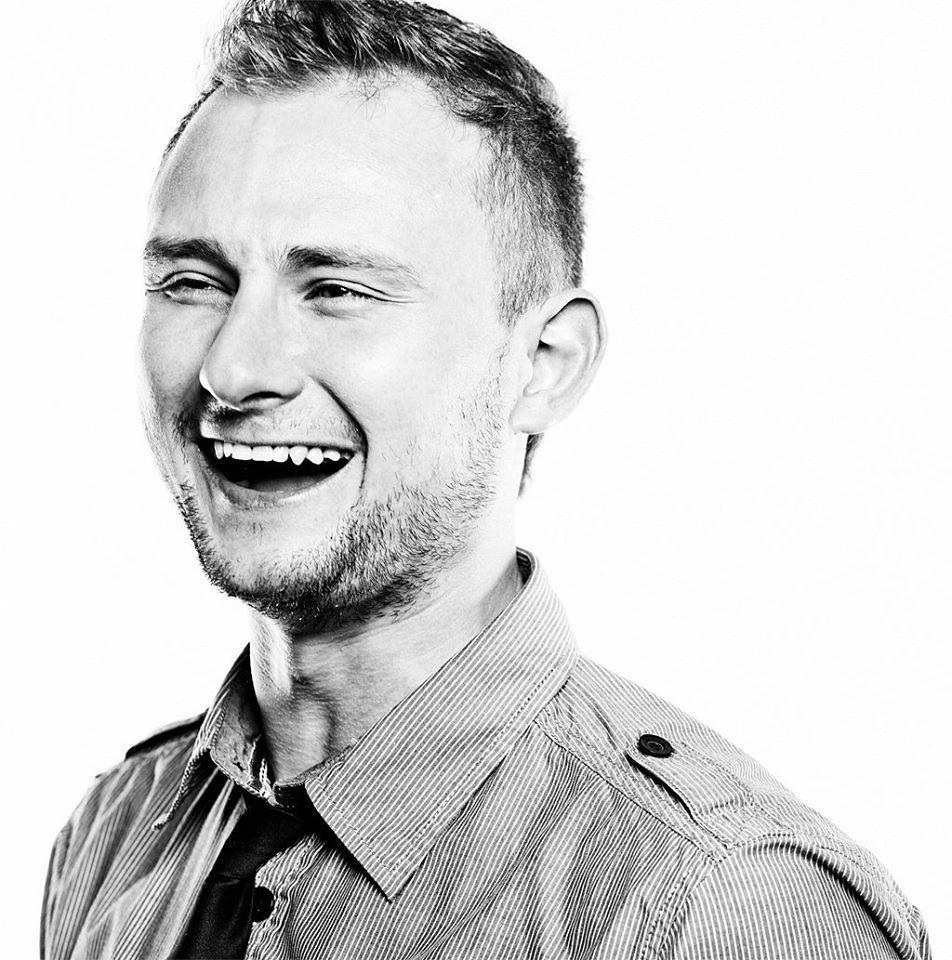
I build the software that keeps electric fleets moving, and I care as much about the architecture underneath as the buses on the road.
I'm Greg: CTO at Tenix, software architect, and a genuine EV nerd. My work lives where software engineering and fleet electrification meet, and most of the value shows up in the gap between them.
What I do
Technical direction, growing engineering teams, and keeping systems reliable and supportable, so the business moves fast without breaking what people depend on.
Distributed, event-driven systems and clean APIs. The unglamorous engineering (backpressure, idempotency, failure modes) that makes a platform feel effortless.
Charging, depots, OCPP, ISO 15118, VDV 261. Electrification isn't a sustainability slide; it's operations under new constraints, and making it dependable is a fun problem.
Good technology isn't clever for its own sake. Sometimes the right call is a sophisticated system, sometimes it's deleting code, sometimes it's saying no. The job is knowing the difference, and explaining it to an engineer, a driver, and a CFO in the same afternoon.
Stack
Work with me
Alongside my role at Tenix, I take on a small number of advisory and consulting engagements, where deep experience in software architecture and fleet electrification genuinely moves the needle.
Technical advisory
Fractional-CTO support, technical direction, and due diligence: the "should we build this, can it scale, what breaks first?" calls for founders, investors, and scaling teams.
Architecture & reliability
Hands-on review and design for distributed, event-driven systems: APIs, data flow, observability, and the failure modes that only show up in production.
EV charging & fleet software
CSMS and smart-charging strategy grounded in real OCPP, ISO 15118 and VDV 261 work, from architecture to depot operations and multi-vendor coordination.
Engagements are selective and scoped to what I can do well: a focused review, an ongoing advisory cadence, or help shaping a platform from the ground up.
Let's talk
Whether it's a commercial engagement, a hard architecture problem, or a side project worth doing, if it's in my wheelhouse and it's interesting, I want to hear about it. The door's open for both serious work and good fun.